
Umbilical Hernia
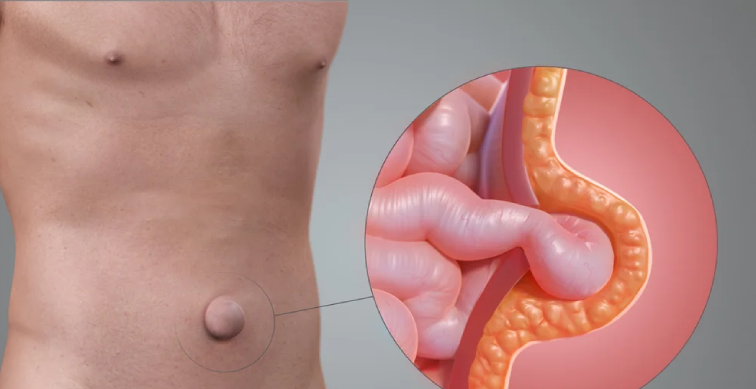
An umbilical hernia occurs when part of the intestine or fatty tissue pushes through a weakness or opening in the abdominal muscles near the belly button (umbilicus). This type of hernia is common in newborns but can also occur in adults. In infants, it is usually a congenital condition, meaning it is present from birth, while in adults, it is often caused by increased pressure within the abdomen.
Symptoms
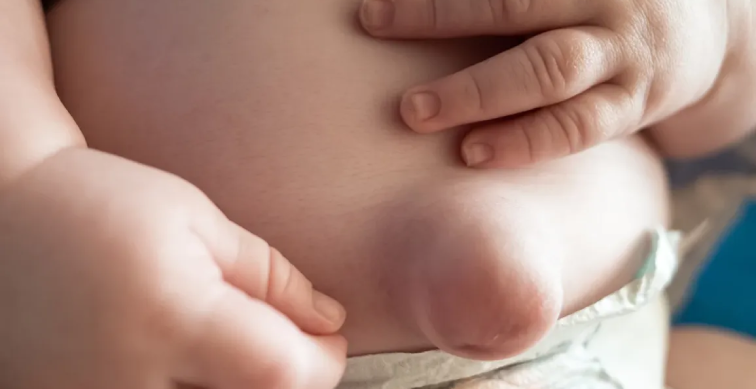
- Visible Bulge: The most noticeable symptom is a small bulge or lump near the belly button. The bulge may become more prominent when coughing, crying (in infants), or during activities that increase intra-abdominal pressure, such as lifting.
- Tenderness or Pain: In some cases, the hernia may cause discomfort or mild pain, especially if it is large or becomes strangulated.
- Swelling: The hernia may cause localized swelling in the belly button area.
- Nausea or Vomiting: If the hernia becomes incarcerated or strangulated (a more serious complication), it may cause nausea, vomiting, and an inability to pass stool or gas.
Treatment Options
In infants, most umbilical hernias are small and do not require treatment. They often close on their own within the first year of life. If the hernia does not resolve or if it becomes larger or painful, surgical intervention may be necessary.
In some cases, hernia belts or trusses may be used temporarily to provide support and help reduce discomfort, but they are not a long-term solution and do not address the underlying issue.
If the hernia becomes incarcerated (trapped) or strangulated (blood supply cut off), it may require emergency surgery. Strangulated hernias are life-threatening and require immediate medical attention to prevent tissue death.
An umbilical hernia is a common condition, particularly in infants, and often resolves on its own. In adults, however, the hernia may require surgical repair if it becomes painful, large, or presents complications. Timely diagnosis and appropriate treatment are essential to prevent further complications. Most cases of umbilical hernia are easily treatable, and with proper care, individuals can expect to recover fully. If you suspect you have an umbilical hernia, it is important to consult a healthcare provider to discuss potential treatment options.
Causes and Risk Factors
- Obesity: Excess weight can put added strain on the abdominal wall.
- Pregnancy: The growing uterus during pregnancy increases intra-abdominal pressure, contributing to the development of hernias, particularly in women.
- Chronic Coughing: Persistent coughing from smoking or respiratory conditions can lead to increased abdominal pressure.
- Straining During Bowel Movements: Constipation or frequent straining can lead to the development of an umbilical hernia.
Prevention and Management
- Maintain a Healthy Weight: Reducing excess weight helps alleviate pressure on the abdominal muscles, reducing the likelihood of hernias.
- Avoid Straining: Prevent constipation by eating a high-fiber diet and drinking plenty of water to reduce the need to strain during bowel movements. Avoid lifting heavy objects whenever possible.
- Treat Respiratory Conditions: Managing chronic coughing (from smoking or other conditions) can help reduce the risk of hernia formation.
- Exercise: Regular abdominal exercises can help strengthen the muscles in the abdomen and reduce the risk of weakness that can lead to hernia development.