

Lipoma
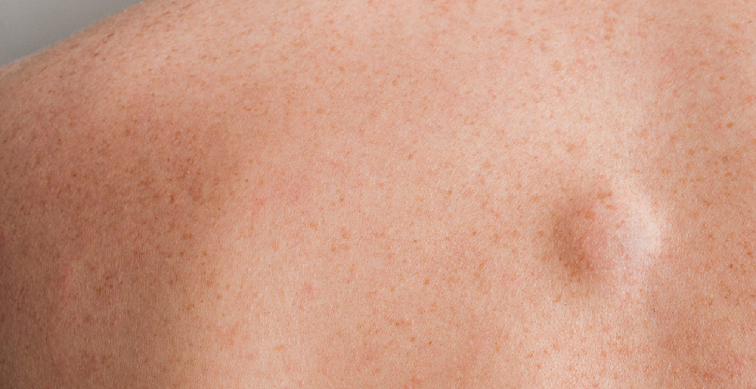
A lipoma is a benign (non-cancerous) growth of fatty tissue that forms just under the skin. It is one of the most common types of soft tissue tumors in adults and typically feels soft, movable, and painless. Lipomas can vary in size and are usually not harmful, though they can cause discomfort if they press on nearby nerves or tissues.
Symptoms
- Soft, Painless Lump: Lipomas are typically soft to the touch and feel rubbery or doughy. They are usually painless, although larger lipomas can cause discomfort if they press on surrounding tissues.
- Movable: The lump can be moved under the skin when pressed, as it is not attached to deeper structures like muscles or bones.
- Size and Growth: Lipomas generally grow slowly over time and can range in size from a small pea to several inches in diameter.
- Location: Most lipomas form on the upper body, arms, or thighs, but they can appear anywhere on the body.
- Painlessness: Most lipomas are not tender or painful, but they can become sensitive or painful if they press against nerves or become irritated.
Treatment Options
If the lipoma is small, painless, and not growing, a "watch and wait" approach may be recommended. The lipoma may not require treatment unless it causes discomfort or becomes bothersome.
If the lipoma is large, painful, or cosmetically concerning, it may be surgically removed. This is typically a straightforward procedure where the lipoma is excised under local anesthesia.
In some cases, liposuction may be used to remove the fatty tissue of the lipoma, though it may not remove all of the tissue, and the lipoma could return.
Steroid injections may help shrink the lipoma, though they generally do not remove it entirely and may cause changes in the appearance of the skin.
Lipomas are typically benign and do not lead to serious health problems. They generally do not recur after removal, though new lipomas may form over time. While they can be bothersome, especially if they are large or located in areas where they cause discomfort, lipomas are usually not dangerous.
If you notice any unusual lumps or changes in your skin or soft tissues, it’s a good idea to consult with a healthcare provider to determine the cause and receive appropriate advice or treatment.
Causes and Risk Factors
- Genetics: Lipomas tend to run in families, indicating a genetic predisposition. Certain inherited conditions, such as familial multiple lipomatosis, can lead to the development of multiple lipomas.
- Trauma or Injury: In some cases, lipomas may develop after a minor injury, though this is not always the case.
- Age: Lipomas are most common in people between the ages of 40 and 60, though they can occur at any age.
- Other Medical Conditions: Some genetic disorders, such as Gardner’s syndrome or Cowden syndrome, may increase the likelihood of developing lipomas.
Prevention and Management
Since the exact cause of lipomas is not known, it is difficult to prevent their formation. However, maintaining a healthy lifestyle, avoiding excessive weight gain, and managing any underlying conditions (such as genetic disorders) may help reduce the risk of developing multiple lipomas.