
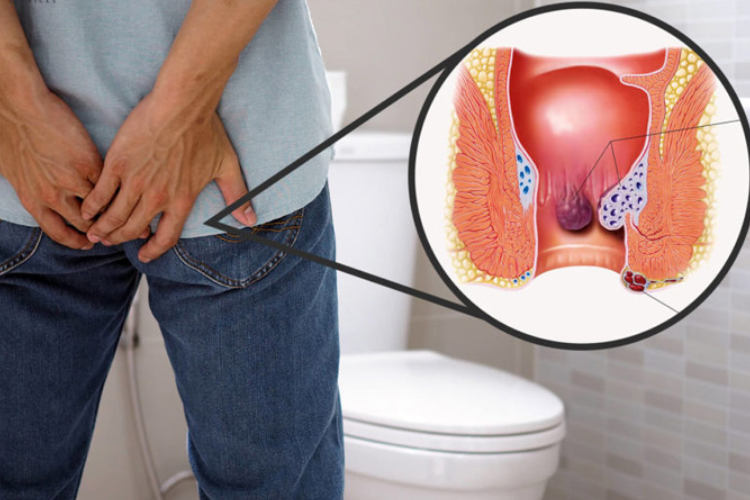
Pilonidal Sinus
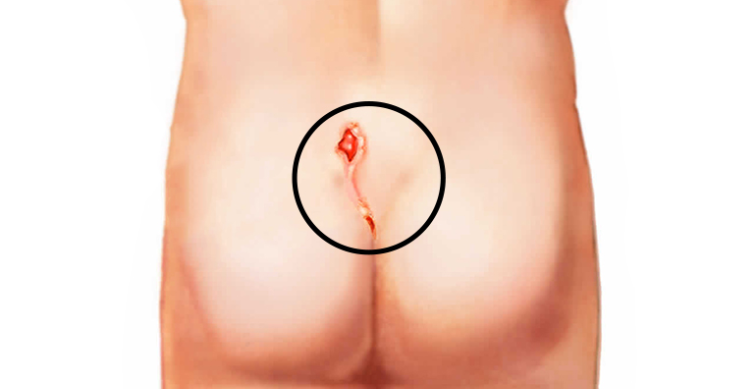
A pilonidal sinus is a small tunnel or tract under the skin, typically located at the top of the crease of the buttocks (near the coccyx, or tailbone). This condition can result in a painful abscess or infection, commonly referred to as a pilonidal cyst. It occurs when hair, debris, or skin cells become trapped in the skin, leading to inflammation, infection, or the formation of an abscess. In some cases, the condition may remain asymptomatic until it becomes infected, but it can cause significant discomfort and complications if left untreated.
Symptoms
- Pain and Tenderness: The most common symptom is pain at the base of the spine (coccyx), especially when sitting, standing, or moving. The pain tends to be more severe if an infection or abscess is present.
- Redness and Swelling: The skin around the sinus may appear red and swollen. An infected pilonidal sinus may look inflamed or have a visible bump.
- Discharge: There may be drainage of pus or blood from the sinus opening, which can have a foul odor. This drainage occurs if the sinus becomes infected or develops an abscess.
- Presence of a Cyst: A small, painful lump or cyst near the top of the buttocks may form. This can be a sign of an abscess or the formation of a pilonidal sinus.
- Recurrent Abscesses: A pilonidal sinus can lead to recurrent infections and abscesses in the area, which can cause periodic flare-ups of pain, drainage, and swelling.
- Fever: In the case of an infected pilonidal sinus, you may experience fever or chills.
Treatment Options
Conservative Treatment
- Warm Compresses: Applying warm compresses to the affected area can help reduce swelling and alleviate pain, particularly in mild cases.
- Good Hygiene: Keeping the area clean and dry is important. Regularly washing the area with mild soap and water and drying it thoroughly may help prevent infection and recurrence.
- Hair Removal: Shaving or removing excess hair around the area may reduce irritation and prevent the recurrence of the condition.
Drainage of Abscess
- If the pilonidal sinus becomes infected and forms an abscess, the primary treatment is to drain the abscess. A doctor will make a small incision to allow the pus to drain out, relieving pressure and pain.
- After drainage, the wound is often packed with a dressing and may require follow-up care to ensure proper healing and prevent re-infection.
Antibiotics
If the pilonidal sinus is infected, oral antibiotics may be prescribed to treat the infection before or after drainage or surgery.
A pilonidal sinus is a relatively common condition that can cause significant discomfort and complications if left untreated. While it can often be managed with conservative treatments, such as warm compresses and good hygiene, recurrent or severe cases may require surgical intervention. By maintaining proper hygiene, avoiding prolonged sitting, and managing excess hair in the area, you can reduce the risk of developing or recurring pilonidal sinuses. If you experience symptoms or complications, seek medical attention to prevent further issues.
Causes and Risk Factors
- Being Overweight: Excess weight and obesity can contribute to more friction in the area and increase the risk of developing the condition.
- Sedentary Lifestyle: Spending long periods sitting (e.g., desk jobs, truck drivers, students) can lead to pressure on the coccyx and increase the risk of pilonidal sinus formation.
- Hygiene Issues: Lack of proper hygiene, sweating, and poor cleaning habits may promote the development of pilonidal sinuses.
Prevention and Management
- Maintain Good Hygiene: Keep the area clean and dry, especially if you are prone to sweating. Use mild soap and water to wash the area regularly.
- Avoid Prolonged Sitting: If possible, avoid sitting for long periods, or take frequent breaks to stand up and move around.
- Weight Management: Maintaining a healthy weight can help reduce friction and pressure on the coccyx.