
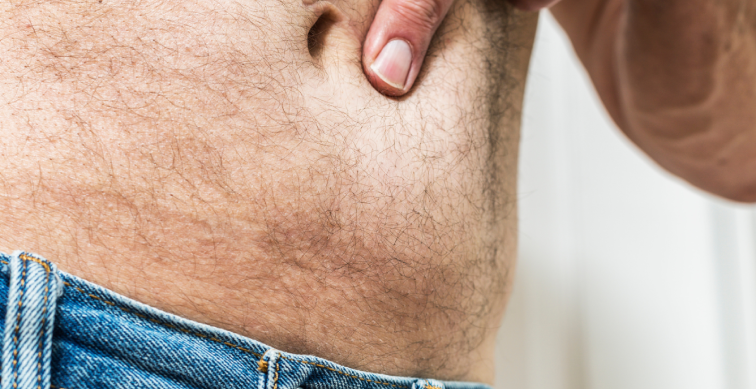
Hernia
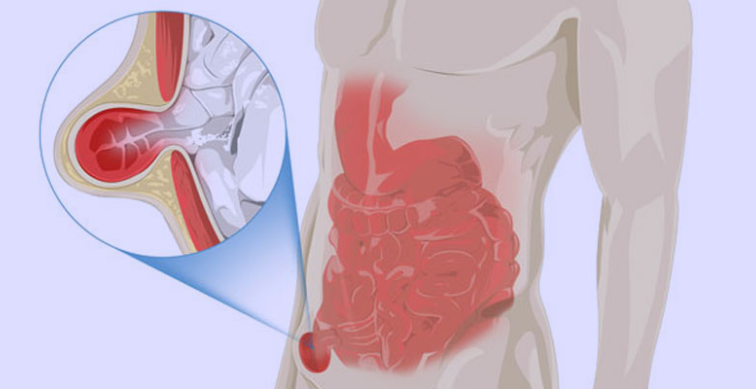
A hernia occurs when an organ or tissue pushes through a weak spot or opening in the surrounding muscle or connective tissue that normally holds it in place. Hernias can develop in various areas of the body, and they can range in severity. While some hernias may not cause immediate symptoms, they can lead to serious complications if left untreated.
Symptoms
Visible Lump or Bulge:
A noticeable lump or bulge in the affected area (such as the groin, abdomen, or belly button) is the most common symptom. The bulge may appear or become more prominent when coughing, lifting, or straining.Pain or Discomfort:
Pain or tenderness in the area of the hernia, especially when bending over, lifting, or coughing. The pain may range from mild to severe.Heaviness or Pressure:
A feeling of heaviness or pressure in the abdomen or groin area, particularly after standing or physical activity.Swelling:
Swelling in the area of the hernia, which may increase in size as time passes.Nausea and Vomiting:
If the hernia is obstructing the intestines, it can lead to nausea, vomiting, and difficulty passing gas or stool.Inability to Push the Lump Back In:
In some cases, the hernia may not be reducible (i.e., the lump cannot be pushed back into place), which could indicate an incarcerated or strangulated hernia, which is a medical emergency.
Treatment Options
If the hernia is small and not causing symptoms, your doctor may recommend monitoring it over time. This is especially true for asymptomatic hernias or those that are not enlarging.
If surgery is not immediately necessary, your doctor may recommend lifestyle changes to reduce strain on the abdominal muscles, such as maintaining a healthy weight, avoiding heavy lifting, and addressing constipation or coughing issues.
In cases where a hernia becomes incarcerated (trapped) or strangulated (blood supply cut off), emergency surgery is required to prevent serious complications like tissue death or bowel obstruction.
If you experience pain, swelling, or a bulge in your abdomen or groin area, it’s important to consult a healthcare provider to determine whether you have a hernia and discuss the best course of treatment.
Causes and Risk Factors
- Increased Abdominal Pressure:
This can be caused by heavy lifting, straining during bowel movements, coughing, or vomiting. - Obesity:
Excess body weight increases pressure on the abdominal wall, increasing the risk of hernias. - Pregnancy:
The growing uterus puts additional pressure on the abdominal muscles and tissues, leading to an increased risk of hernias.
Prevention and Management
- Maintain a Healthy Weight: This helps reduce the pressure on your abdominal wall.
- Eat a High-Fiber Diet: A diet rich in fiber helps prevent constipation and straining during bowel movements.
- Exercise Regularly: Strengthening the abdominal muscles can help support the tissue and reduce the risk of hernias.
- Lift Properly: When lifting heavy objects, bend at the knees rather than the waist to reduce strain on the abdominal muscles.