
Appendectomy
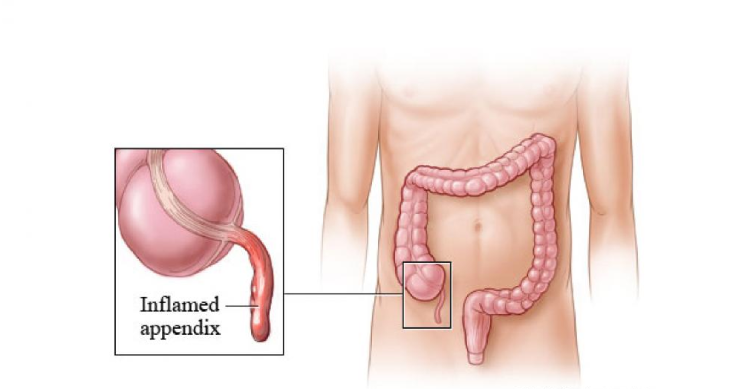
An appendectomy is a surgical procedure to remove the appendix, a small, tube-like structure attached to the large intestine, typically located in the lower right side of the abdomen. The procedure is most commonly performed to treat appendicitis, which is the inflammation of the appendix. If left untreated, appendicitis can lead to the appendix rupturing, which can cause life-threatening infections. Therefore, appendectomy is often performed as an emergency surgery.
Symptoms
- Abdominal Pain: The pain usually begins around the belly button and then shifts to the lower right abdomen (where the appendix is located). It may become more intense and localized over time.
- Nausea and Vomiting: After the onset of abdominal pain, nausea and vomiting often follow.
- Loss of Appetite: A sudden loss of appetite is a common symptom in appendicitis.
- Fever: Mild fever may develop as the inflammation progresses.
- Constipation or Diarrhea: Some individuals may experience changes in bowel movements, either constipation or diarrhea.
- Abdominal Tenderness: The abdomen may become tender to the touch, especially in the lower right quadrant.
Treatment Options
- Involves making a single, larger incision in the lower right abdomen to access and remove the appendix.
- It is typically performed if the appendix has ruptured, or if there are complications that make laparoscopic surgery difficult.
- Recovery from an open appendectomy generally takes longer compared to laparoscopic surgery.
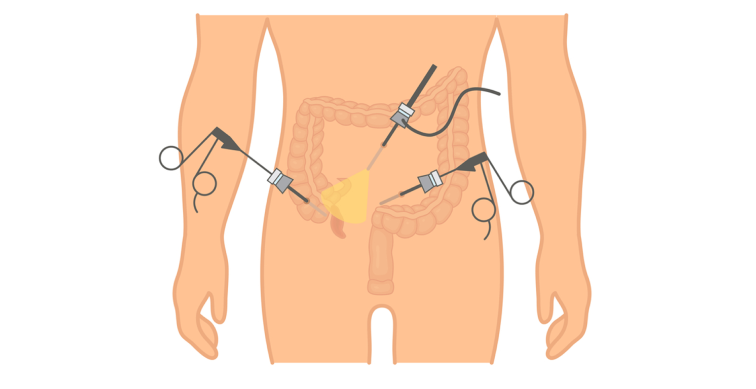
- Involves several small incisions (usually 3 to 4) through which a camera and surgical instruments are inserted.
- The surgeon removes the appendix with the help of a camera to guide the procedure.
- This method is less invasive, often results in less pain, and allows for a quicker recovery.
Appendectomy is a common and generally safe procedure to treat appendicitis, a condition that can quickly progress to a serious, life-threatening situation if not addressed promptly. The surgery is effective in relieving symptoms and preventing complications such as rupture. Most patients recover well, though the recovery process can vary based on the individual and whether the appendix has ruptured. If you experience symptoms of appendicitis, it’s essential to seek medical care immediately to ensure proper treatment and a better outcome.
Causes and Risk Factors
- Obstruction: The appendix can become blocked by stool, a foreign body, or cancer, which can cause infection and inflammation.
- Infection: Bacterial or viral infections can lead to inflammation of the appendix.
- Trauma: Injury to the abdomen may cause the appendix to become inflamed or infected.
Prevention and Management
There is no guaranteed way to prevent appendicitis. However, some studies suggest that a high-fiber diet may lower the risk of developing appendicitis, though the link is not definitive. Because the cause of appendicitis is not fully understood, it is difficult to pinpoint specific preventative measures.