
Laser Circumcision
Laser circumcision is a modern technique used to remove the foreskin of the penis using a laser, offering potential benefits such as precision, reduced bleeding, and faster recovery compared to traditional methods.
Symptoms
- Pain and Discomfort: Mild to moderate pain or discomfort in the genital area, especially in the first few days after the procedure.
- Swelling: Mild swelling around the circumcision site, which is common and usually resolves in a few days.
- Redness or Bruising: The skin around the incision may appear red or bruised for a short period.
- Bleeding: Small amounts of bleeding may occur right after the procedure, but it typically stops quickly.
- Itching: As the wound heals, patients might experience itching in the area, which is a normal part of the recovery process.
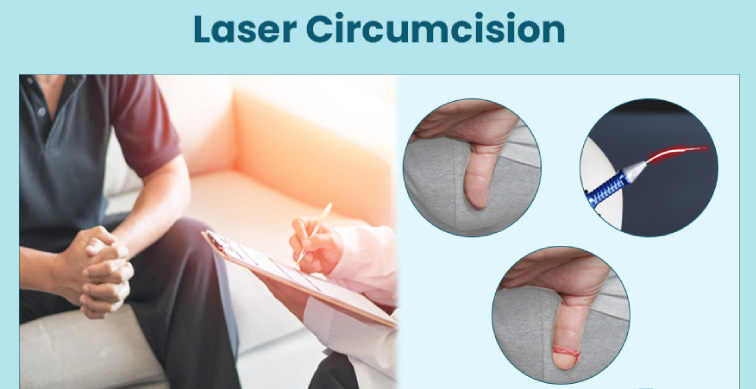
Treatment Options
Over-the-counter pain relievers such as ibuprofen or acetaminophen can manage discomfort. Local anesthetic creams may also be applied to ease pain.
Soaking in warm water can soothe the area and promote healing.
To prevent infection, doctors may recommend applying a topical antiseptic ointment to the incision site.
Avoiding activities that put pressure on the genital area, such as heavy lifting, during the healing process.
Laser circumcision is considered a safe procedure with a quicker recovery time compared to traditional methods, but as with any surgery, it is essential to consult with a healthcare provider to discuss the risks, benefits, and recovery expectations.
Causes and Risk Factors
- Medical Conditions: Conditions like phimosis (a tight foreskin that can’t be pulled back), recurrent infections, or other health issues may require circumcision.
- Hygiene Issues: Difficulty in keeping the foreskin clean and dry can sometimes lead to infections and discomfort, necessitating circumcision.
- Cultural or Religious Reasons: Some individuals choose circumcision for religious, cultural, or personal reasons.
Prevention and Management
- Follow Post-Op Care Instructions: Adhering to your doctor’s recommendations for aftercare, such as keeping the area clean and avoiding sexual activity during the recovery period, is crucial.
- Maintain Good Hygiene: Once healed, maintaining cleanliness in the genital area will help prevent infections.
- Wear Loose Clothing: Wearing loose-fitting underwear can reduce friction and irritation during the healing phase.