
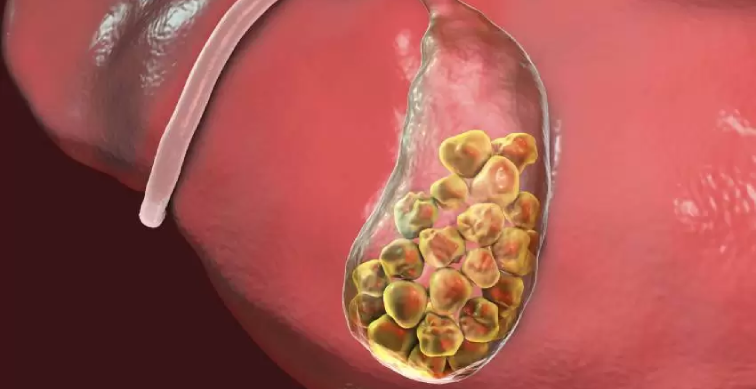
Gallstone
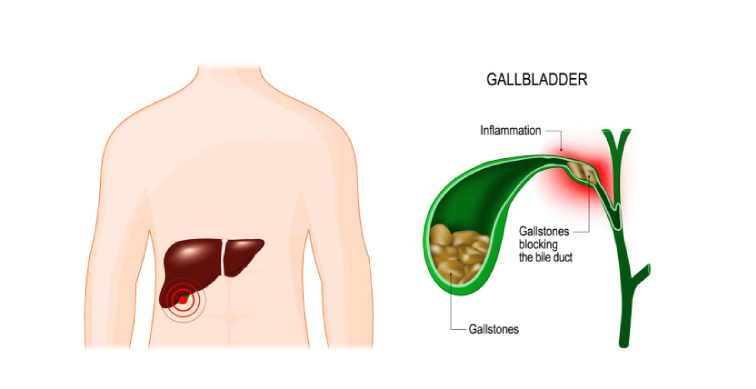
Gallstones are solid particles that form in the gallbladder, a small organ located just below the liver that stores bile, a digestive fluid. Gallstones can vary in size from as small as a grain of sand to as large as a golf ball. While some people with gallstones may not experience any symptoms, others may develop pain or complications, especially if the stones block bile ducts.
Symptoms
- Pain (Biliary Colic): A sudden and intense pain in the upper right abdomen, often after eating fatty foods. The pain can last from a few minutes to several hours.
- Indigestion: Feeling of fullness, bloating, or gas after eating.
- Nausea and Vomiting: Feeling sick to your stomach, especially after meals, is a common symptom.
- Jaundice: Yellowing of the skin or eyes, which can occur if a gallstone blocks the bile duct, leading to the buildup of bile in the liver.
- Dark Urine or Pale Stools: These may occur if the bile flow is obstructed by a gallstone.
- Fever and Chills: These symptoms may indicate an infection, which can occur if a gallstone causes a blockage or infection in the bile ducts (cholangitis).
Treatment Options
If gallstones do not cause symptoms, no treatment may be necessary, and the condition may be monitored.
Certain medications (like ursodeoxycholic acid) can dissolve small cholesterol gallstones, though this treatment is typically slow and not always effective.
A procedure that uses shock waves to break up gallstones, though it’s not commonly used and is less effective than surgery.
This procedure is used to remove gallstones from the bile ducts if they are blocking the flow of bile.
If you experience symptoms of gallstones or suspect a problem with your gallbladder, it’s important to seek medical attention. Early detection and treatment can help prevent complications, such as infection or severe pain.
Causes and Risk Factors
- Obesity: Being overweight increases cholesterol levels, which can contribute to the formation of cholesterol gallstones.
- Pregnancy: Hormonal changes during pregnancy can increase the cholesterol in bile, raising the risk of gallstones.
- Age: People over 40 are more likely to develop gallstones.
- Gender: Women are more likely to develop gallstones than men, particularly those who are pregnant, taking birth control pills, or undergoing hormone replacement therapy.
- Family History: A family history of gallstones can increase your risk.
Prevention and Management
- Maintain a Healthy Weight: Gradual weight loss through a balanced diet and regular exercise can help reduce the risk of gallstones.
- Eat a Balanced Diet: A diet high in fiber, with plenty of fruits, vegetables, and whole grains, may reduce the risk of gallstones. Avoiding excessive fats and refined sugars is also beneficial.
- Regular Exercise: Physical activity can help maintain a healthy weight and improve overall digestive health.
- Avoid Rapid Weight Loss: Gradual weight loss is safer for preventing gallstones, as rapid weight loss can increase the risk of stone formation.