
Hydrocelectomy
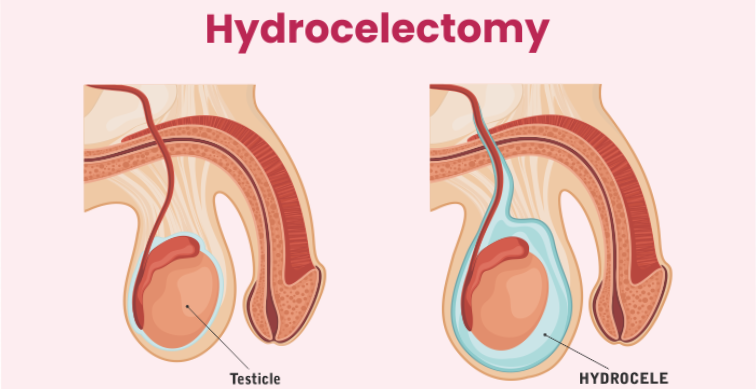
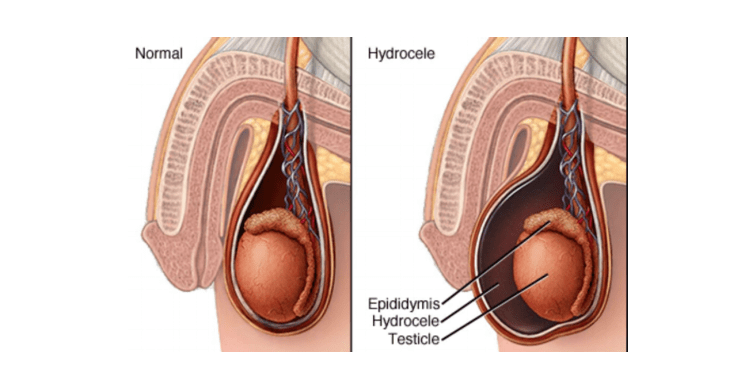
A hydrocelectomy is a surgical procedure used to remove a hydrocele, a fluid-filled sac that forms around the testicle, causing swelling in the scrotum. A hydrocele is typically non-cancerous and can occur in one or both testicles. Hydrocelectomy is performed when the hydrocele causes discomfort, pain, or swelling, or if it becomes larger over time.
Symptoms
- Scrotal Swelling: A noticeable swelling in one or both sides of the scrotum, which may increase in size over time. The swelling may be more prominent in the evening or after physical activity.
- Pain or Discomfort: Most hydroceles are painless, but larger hydroceles may cause discomfort or a feeling of heaviness in the scrotum.
- Visible Lump: A smooth, round lump in the scrotum that is soft to the touch.
- Changes in Size: The swelling may fluctuate in size, becoming larger or smaller during the day.
Treatment Options
In many cases, a hydrocele does not require treatment if it is small and not causing any symptoms. However, if the hydrocele causes pain, discomfort, or cosmetic concerns, a hydrocelectomy may be recommended.
Hydrocelectomy is a safe and effective treatment for hydroceles that cause discomfort or concern. The procedure removes the fluid-filled sac around the testicle, providing relief from symptoms like swelling and heaviness. With appropriate care, most patients recover well and experience no further issues. If you suspect a hydrocele or are considering surgery, it is important to consult with a healthcare provider to discuss the best treatment options tailored to your needs.
Causes and Risk Factors
- Congenital Hydrocele: This is the most common cause of hydrocele in newborns, occurring when the sac surrounding the testicle fails to close properly after birth. This can allow fluid to accumulate around the testicle. In many cases, the hydrocele resolves on its own within the first year of life.
- Infection or Inflammation: In adults, infections such as epididymitis or orchitis can cause inflammation and fluid buildup around the testicle, leading to a hydrocele.
- Trauma or Injury: Injury to the testicle or scrotum can lead to a hydrocele.
Prevention and Management
- Injury Prevention: Taking precautions to avoid trauma to the scrotum, such as wearing protective gear during physical activities, may reduce the risk of developing a hydrocele.
- Treating Infections Promptly: Prompt treatment of infections or conditions like epididymitis and orchitis may help reduce the risk of complications, including hydroceles.
- Regular Check-ups: Men should regularly check for any changes in the size or shape of the scrotum and seek medical advice if swelling or discomfort occurs.