
Breast Lump
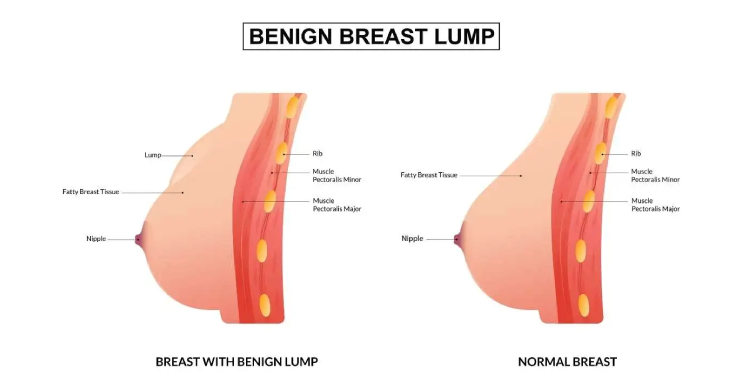
A breast lump is a growth or mass that develops in the breast tissue. Lumps in the breast are a common occurrence and can happen to anyone. While many breast lumps are benign (non-cancerous), some may be indicative of underlying conditions, including breast cancer. It is important to assess any breast lump carefully and seek medical advice to determine the cause and ensure appropriate management.
Symptoms
- A Painless or Painful Lump: Many lumps are painless, but some can cause tenderness or discomfort, especially if they are near the skin or muscle.
- Changes in Size: Some lumps may change in size, especially in response to hormonal fluctuations (e.g., during the menstrual cycle).
- Changes in Skin Texture or Color: If the lump is associated with an infection or cancer, there may be redness, dimpling, or puckering of the skin around the lump.
- Changes in Nipple Appearance: A lump may cause changes in the nipple, such as inversion (nipple turning inward), discharge (clear, bloody, or milky), or itching.
- Swelling: Lumps can cause the breast to appear swollen or uneven, especially if the lump is large or associated with infection.
- Hard or Fixed Lump: A lump that is hard, immovable, or irregularly shaped could raise concern and may require further evaluation.
Treatment Options
Observation: Many benign lumps, such as fibroadenomas or fibrocystic changes, may only require regular monitoring and follow-up exams to ensure they do not change or become problematic.
Pain Relief: If the lump causes discomfort, over-the-counter pain relievers, such as ibuprofen, may help reduce pain and inflammation. Warm or cold compresses may also be used.
Aspiration of Cysts: If a cyst is painful or large, it may be aspirated (drained) with a needle, which can provide immediate relief.
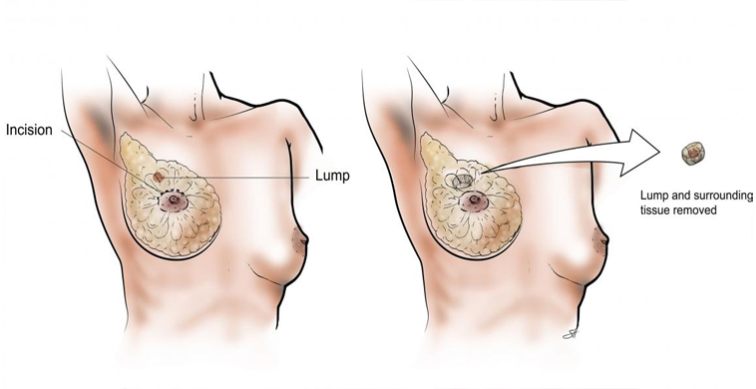
Surgical Removal: In some cases, especially with fibroadenomas or large cysts, the lump may be surgically removed if it causes pain, discomfort, or anxiety.
- Surgical Removal: If a lump is found to be cancerous, treatment typically involves surgery to remove the tumor and possibly surrounding tissue (lumpectomy or mastectomy).
- Radiation Therapy: After surgery, radiation may be used to destroy any remaining cancer cells, especially in cases of breast-conserving surgery.
- Chemotherapy or Hormone Therapy: Depending on the type and stage of breast cancer, chemotherapy or hormone therapy may be used to shrink tumors, prevent recurrence, or target cancer cells.
- Targeted Therapy: In some cases, medications that target specific molecules in cancer cells may be used
Most breast lumps are benign and not cancerous, but it is important to evaluate any new lump or changes in your breasts. Early detection and prompt medical evaluation are key to ensuring that any underlying conditions are diagnosed and treated appropriately. If a lump is found to be benign, monitoring and lifestyle changes may be all that’s needed. However, if the lump is cancerous, treatment options are available, and early intervention can significantly improve outcomes. Regular breast exams and screenings are essential for maintaining breast health.
Causes and Risk Factors
- Fibrocystic Breast Changes: Often seen in women between the ages of 20-50, fibrocystic changes occur due to hormonal fluctuations and are not cancerous. These lumps may feel lumpy or rope-like and are typically more tender before menstruation.
- Fibroadenomas: These benign growths can develop at any age, but they are most common in younger women (under 30). Fibroadenomas are typically round, smooth, and movable.
- Breast Cysts: Fluid-filled cysts can develop in response to hormonal changes. They are usually benign and can fluctuate in size or cause tenderness.
Prevention and Management
- Breast Self-Exams: Regularly performing breast self-exams (typically once a month) can help you become familiar with the normal texture of your breasts and detect changes early.
- Regular Mammograms: Women over 40 (or younger women with a family history or other risk factors) should undergo regular mammograms, as recommended by their healthcare provider.
- Healthy Lifestyle: Maintaining a healthy weight, eating a balanced diet, exercising regularly, and limiting alcohol consumption may help reduce the risk of breast cancer.