
Deep Vein Thrombosis (DVT)
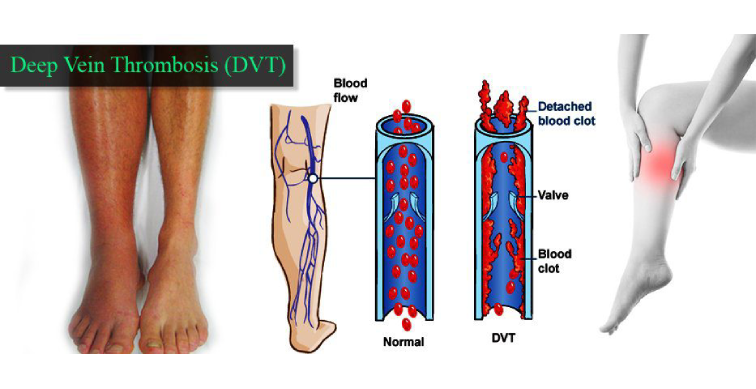
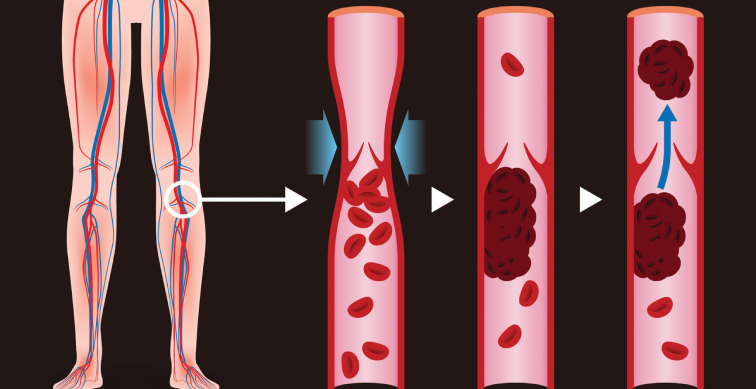
Deep vein thrombosis (DVT) is a condition where a blood clot forms in a deep vein, most commonly in the lower leg, thigh, or pelvis. This clot can block the flow of blood in the affected vein and may cause pain, swelling, or redness. DVT is a serious condition because the clot can break loose and travel to the lungs, causing a pulmonary embolism, which can be life-threatening.
Symptoms
- Swelling: The affected leg may become swollen or feel heavy.
- Pain or Tenderness: Pain, tenderness, or cramping, particularly in the calf or thigh, may occur when standing or walking.
- Red or Discolored Skin: The skin over the affected area may appear red or have a bluish tint.
- Warmth: The skin around the clot may feel warm to the touch.
- Swollen Veins: The veins near the surface of the skin may become more visible or engorged.
Treatment Options
Medications such as heparin, warfarin, or newer oral anticoagulants (e.g., rivaroxaban, apixaban) help prevent the clot from getting larger and reduce the risk of new clots forming.
In some severe cases, clot-dissolving medications (thrombolytics) may be used to break up the clot, particularly if the DVT is life-threatening or if it’s causing significant damage.
These are worn to reduce swelling and improve blood flow in the affected leg, as well as to reduce the risk of post-thrombotic syndrome.
Elevating the affected leg can help reduce swelling and improve blood circulation.
Deep vein thrombosis is a serious medical condition that requires prompt attention. Treatment typically involves anticoagulation therapy and measures to reduce the risk of complications. Preventive measures, such as staying active and using compression stockings, can help reduce the risk of developing DVT. If you suspect you have DVT or are at risk, it’s important to seek medical care to prevent serious complications.
Causes and Risk Factors
- Prolonged Immobility: Long periods of inactivity, such as during long flights, hospital stays, or bed rest, can slow blood circulation and increase the risk of clot formation.
- Injury to the Vein: Damage to a vein from surgery, trauma, or inflammation can increase the likelihood of clot formation.
- Hormonal Factors: Hormonal changes, such as those related to pregnancy, birth control pills, or hormone replacement therapy, can increase the risk of DVT.
- Varicose Veins: Having varicose veins or a history of venous insufficiency can increase the risk of DVT.
Prevention and Management
- Stay Active: Regular physical activity, such as walking, can improve circulation and reduce the risk of clot formation, especially after surgery or long periods of immobility.
- Leg Exercises: Simple leg exercises, such as flexing and extending your ankles, can help improve circulation if you’re sitting for long periods.
- Compression Stockings: Wearing compression stockings, particularly during long trips or after surgery, can reduce the risk of DVT.