
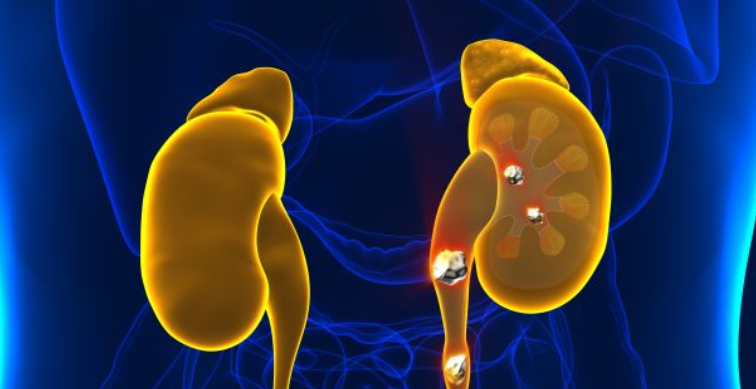
Kidney Stones
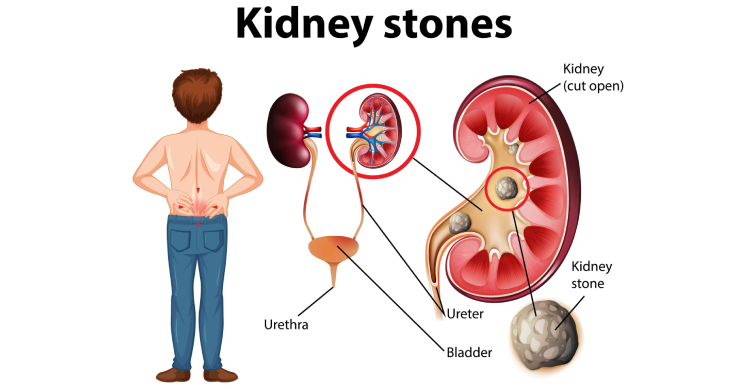
Kidney stones are hard, mineral and salt deposits that form inside the kidneys. These stones can range in size from tiny grains to large masses and can cause severe pain when they block the urinary tract. Kidney stones are a common condition that affects both men and women, though they are more prevalent in men. They can vary in type, and the formation of stones is often related to dehydration, diet, and underlying medical conditions.
Symptoms
- Severe Pain (Renal Colic): The most common symptom is intense pain that typically starts in the back or side and radiates to the lower abdomen or groin. The pain comes in waves as the stone moves through the urinary tract.
- Hematuria (Blood in Urine): You may notice blood in the urine, making it appear pink, red, or brown.
- Frequent Urination: An increased urge to urinate, or urinating more frequently, especially if the stone is located in the lower urinary tract.
- Painful Urination: A burning or sharp pain while urinating, especially if the stone is near the bladder or urethra.
- Nausea and Vomiting: These symptoms can occur due to the intense pain or as a result of a blockage in the urinary tract.
- Cloudy or Foul-Smelling Urine: This may occur if there is an infection or significant blood in the urine.
- Fever and Chills: If an infection accompanies the kidney stone, fever and chills may develop, which is a medical emergency.
Treatment Options
Small Stones
- Hydration: Drinking plenty of water to help flush out small stones through urination.
- Pain Management: Over-the-counter pain relievers, such as ibuprofen or acetaminophen, can help manage pain.
- Alpha Blockers: Medications like tamsulosin may be prescribed to relax the muscles in the ureter, helping stones pass more easily.
Larger Stones or Blockages
- Extracorporeal Shock Wave Lithotripsy (ESWL): A non-invasive procedure that uses shock waves to break larger stones into smaller pieces, making them easier to pass.
- Ureteroscopy: A thin tube is passed through the urethra and bladder to reach the stone. The stone may be removed or broken into smaller pieces.
- Percutaneous Nephrolithotomy: In rare cases, especially with very large stones, a surgical procedure may be required to remove the stone directly from the kidney through a small incision in the back.
Medications
- Potassium Citrate: This medication can help prevent the formation of uric acid and calcium oxalate stones.
- Thiazide Diuretics: These can help reduce calcium in the urine and prevent calcium-based stones.
If you experience symptoms of a kidney stone, such as severe pain, blood in the urine, or fever, seek medical attention immediately, as untreated stones can lead to complications such as infection or kidney damage.
Causes and Risk Factors
- Dehydration: Not drinking enough fluids can lead to concentrated urine, which increases the likelihood of stone formation.
- Diet: A diet high in salt, animal protein, and oxalate-rich foods (such as spinach, nuts, and chocolate) can increase the risk of kidney stones.
- Obesity: Being overweight or obese increases the risk of kidney stones, possibly due to changes in urine composition.
- Medical Conditions: Conditions such as hyperparathyroidism, gout, inflammatory bowel disease, and certain urinary tract infections can increase the risk.
Prevention and Management
- Stay Hydrated: Drink plenty of fluids, especially water, to dilute the urine and reduce the likelihood of stone formation. Aim for at least 2-3 liters of water per day.
- Calcium Intake: While calcium is important for bone health, consuming excessive calcium supplements can increase the risk of kidney stones. It’s best to get calcium from dietary sources.
- Monitor Medical Conditions: If you have conditions such as hyperparathyroidism or gout, managing them with the help of a healthcare provider can reduce the risk of developing kidney stones.