
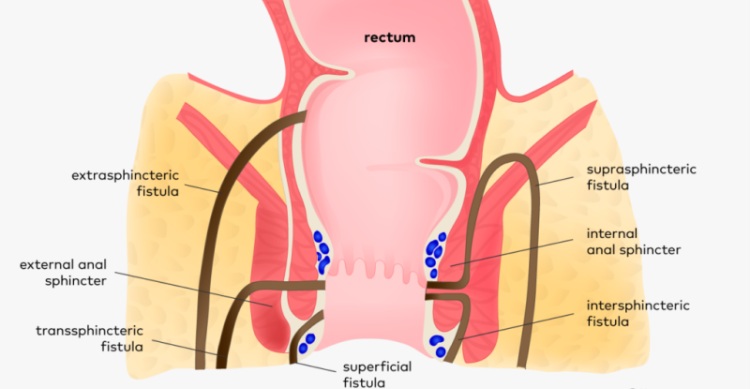
Anal Fistula
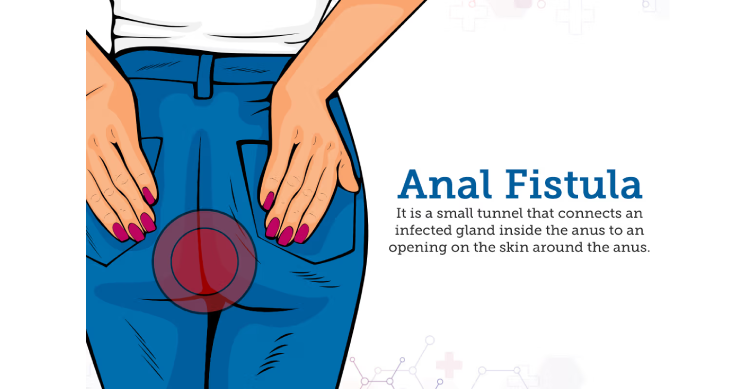
An anal fistula is an abnormal tunnel or passage that forms between the skin near the anus and the inside of the anal canal. It usually develops as a result of an infection in an anal gland, which can cause an abscess. If the abscess doesn’t heal properly, it can turn into a fistula. Anal fistulas can cause discomfort, pain, and drainage, and they often require medical treatment to heal.
Symptoms
- Pain and Discomfort: Pain around the anus, especially during bowel movements or sitting.
- Persistent Drainage: Discharge of pus, blood, or stool from a small opening near the anus.
- Swelling or Redness: Swelling or redness near the anal area, often due to infection.
- Itching or Irritation: Itching around the anus caused by the drainage.
- Recurrent Abscesses: Frequent formation of abscesses or lumps near the anus, indicating an active infection.
Treatment Options
To relieve itching and pIf there is an infection, antibiotics may be prescribed to help control it.
If an abscess is present, it may need to be drained to remove pus and alleviate pain.
This is a common surgical procedure where the fistula is opened and cleaned to allow healing.
In some cases, tissue from nearby areas may be used to cover the fistula, promoting healing.
Anal fistulas are serious but treatable. If you experience any symptoms like persistent drainage, pain, or swelling around the anus, it’s important to seek medical attention to prevent complications and ensure proper healing.
Causes and Risk Factors
- Anal Abscess: The most common cause of an anal fistula is an abscess, which is an infection in one of the anal glands.
- Inflammatory Bowel Diseases (IBD): Conditions such as Crohn’s disease can increase the risk of developing an anal fistula.
- Previous Anal Surgery: Surgery in the anal region can sometimes result in fistula formation.
- Trauma or Injury: Any injury to the anal area, including childbirth, can lead to fistula formation.
Prevention and Management
- Proper Hygiene: Keeping the anal area clean and dry can help prevent infection.
- High-Fiber Diet: A diet rich in fiber helps prevent constipation and reduces the risk of anal trauma during bowel movements.
- Seeking Medical Help Early: Early diagnosis and treatment of abscesses and other anal conditions can prevent the development of fistulas.