
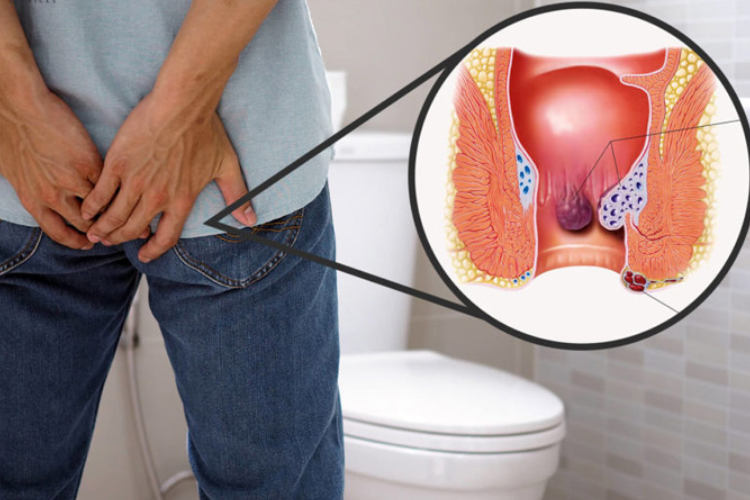
Piles
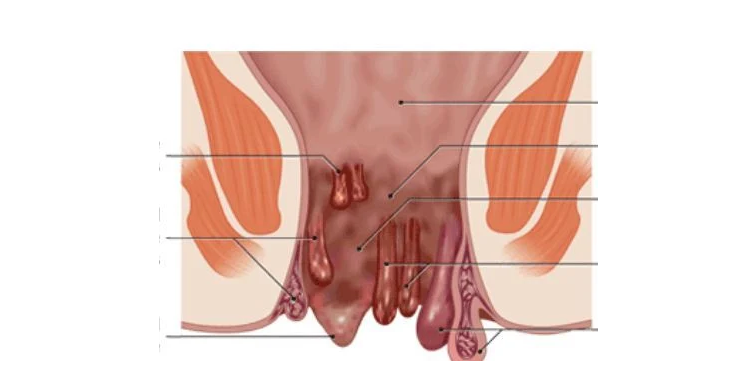
Piles, also known as hemorrhoids, are swollen veins in the lower part of the rectum or anus. They can occur internally, inside the rectum, or externally, under the skin around the anus. Piles can be caused by increased pressure on the veins, which may occur due to factors like straining during bowel movements, pregnancy, or sitting for long periods of time. They are a common condition and can lead to discomfort, bleeding, and itching.
Symptoms
- Pain and Discomfort: Painful swelling or a lump near the anus, especially when sitting or during bowel movements.
- Bleeding: Bright red blood on toilet paper or in the stool, which is typically seen during bowel movements.
- Itching and Irritation: Itching or irritation around the anus due to swollen veins or mucus discharge.
- Swelling: A tender, swollen mass near the anus that may feel like a lump or bulge.
- Mucus Discharge: In some cases, there may be mucus or fluid leakage from the anal area.
Treatment Options
To relieve itching and pain.
Eating foods high in fiber can soften stool and reduce strain during bowel movements.
Soaking the affected area in warm water (sitz baths) can reduce pain and inflammation.
Minimizing time spent on the toilet can help reduce pressure on the hemorrhoids.
Piles are generally manageable with lifestyle changes, but if symptoms persist or worsen, it’s important to seek medical advice for appropriate treatment.
Causes and Risk Factors
- Chronic constipation or diarrhea: Ongoing constipation or diarrhea can cause frequent straining or irritation, increasing pressure on the veins in the anal area.
- Straining during bowel movements: Excessive straining during bowel movements can lead to increased pressure on the veins around the anus, potentially causing hemorrhoids.
- Pregnancy (pressure from the growing uterus): The expanding uterus during pregnancy can put pressure on the veins in the rectal area, making hemorrhoids more likely.
Prevention and Management
- Increase Fiber Intake:
A diet rich in fiber (fruits, vegetables, whole grains, and legumes) helps soften stool and promotes regular bowel movements, reducing strain during defecation.
Fiber supplements like psyllium husk can also help if dietary intake is insufficient. - Stay Hydrated:
Drinking plenty of water helps keep the stool soft and reduces the likelihood of constipation, which can exacerbate piles. - Exercise Regularly:
Regular physical activity improves overall bowel function and circulation, which can help prevent constipation and reduce the risk of developing hemorrhoids.